Portfolio → Built Environment
Space, Belonging, and the People Who Shape Both
A body of work spanning three institutions, two degrees, one certification in progress, and a decade of asking the same question: what does it feel like to belong somewhere?
I came to architecture through a side door. I was interested in why some places feel alive and others don't. Why some rooms hold people and some push them out. That question carried me through an undergraduate degree at the University of Louisiana at Lafayette, where I was trained in the discipline but kept circling back to something the formal curriculum couldn't quite name: the felt quality of space, what older thinkers called genius loci, and what I started calling vibrancy.
My master's work at the Boston Architectural College gave me a framework for that instinct. Designing for human health meant taking seriously the body as a site of meaning — trauma, memory, sensory experience, the relationship between built form and psychological wellbeing. I worked through these ideas in studio, in writing, and in a thesis that tried to hold rigor and care in the same hand.
Now, as a PhD student in the Built Environment at the University of Washington, that thread has become a research program. My dissertation examines how queer bookstores in Seattle create spaces for trans belonging and embodiment. I also hold certificates in Gender and Sexuality and Historic Preservation, and I am completing a Trauma-Informed Design certification through TiD Society (expected May 2026).
The work below represents all three phases of that development — undergraduate investigations into place and vibrancy, master's-level studies in trauma and health, and current doctoral research into belonging, care, and the politics of who gets to feel at home.
How I Work
Methods & Principles
Six orientations that shape every project, from first sketch to final analysis. Some are methodological. Some are ethical. All of them are non-negotiable.
01
Qualitative Spatial Research
Ethnography, participant observation, and semi-structured interviews as the primary tools for understanding how people experience the built environment. Data is people. Analysis is listening.
02
Trauma-Informed Design
Designing with an understanding of how trauma lives in bodies and spaces. Safety, choice, collaboration, and empowerment are design requirements, not afterthoughts. Draws on TiD Society's credentialing framework.
03
Care Ethics
Following Tronto and Held: care is not soft. It is a rigorous practice of attentiveness, responsibility, and response. Every design decision is a care decision. Every plan makes a claim about who matters.
04
Black Feminist & Queer Theory
Centering the scholarship of Combahee River Collective, Patricia Hill Collins, Jack Halberstam, and others who understand space as political. Intersectionality is a spatial analysis tool, not a buzzword.
05
Sense of Place Analysis
Drawing on Tuan, Relph, and Norberg-Schulz to analyze how places acquire meaning. Applied through site observation, material culture analysis, and community memory work. The feeling of a place is data.
06
Abolition Geography
Ruth Wilson Gilmore's framework for understanding how space, capital, and power produce inclusion and exclusion. Asks: what are we building toward? What are we dismantling? Design is always a political act.
Architectural Lineage
Calatrava, Hadid, and Scarpa
Three architects who refused to separate rigor from feeling. Each one answered a question I was already carrying.
I did not come to these three because they were assigned. I came to them because they were already in the work — answering questions I hadn't fully formed yet. Calatrava through structure as organism, the way engineering and biology meet in a single span. Hadid through the dissolution of the orthogonal grid into something more honest about how bodies actually move. Scarpa through an almost religious attention to the joint, the threshold, the place where one material becomes another.
What they gave me, collectively, was a vocabulary for caring about space at every scale at once. You can ask a Scarpa question about a door hinge and a Hadid question about a corridor and a Calatrava question about a roof and they are all the same question: what does this do to the person inside it?
That's the question I carry into bookstores in Seattle, into conversations with trans community members about what safety feels like in a room. The scale shifts. The question doesn't.
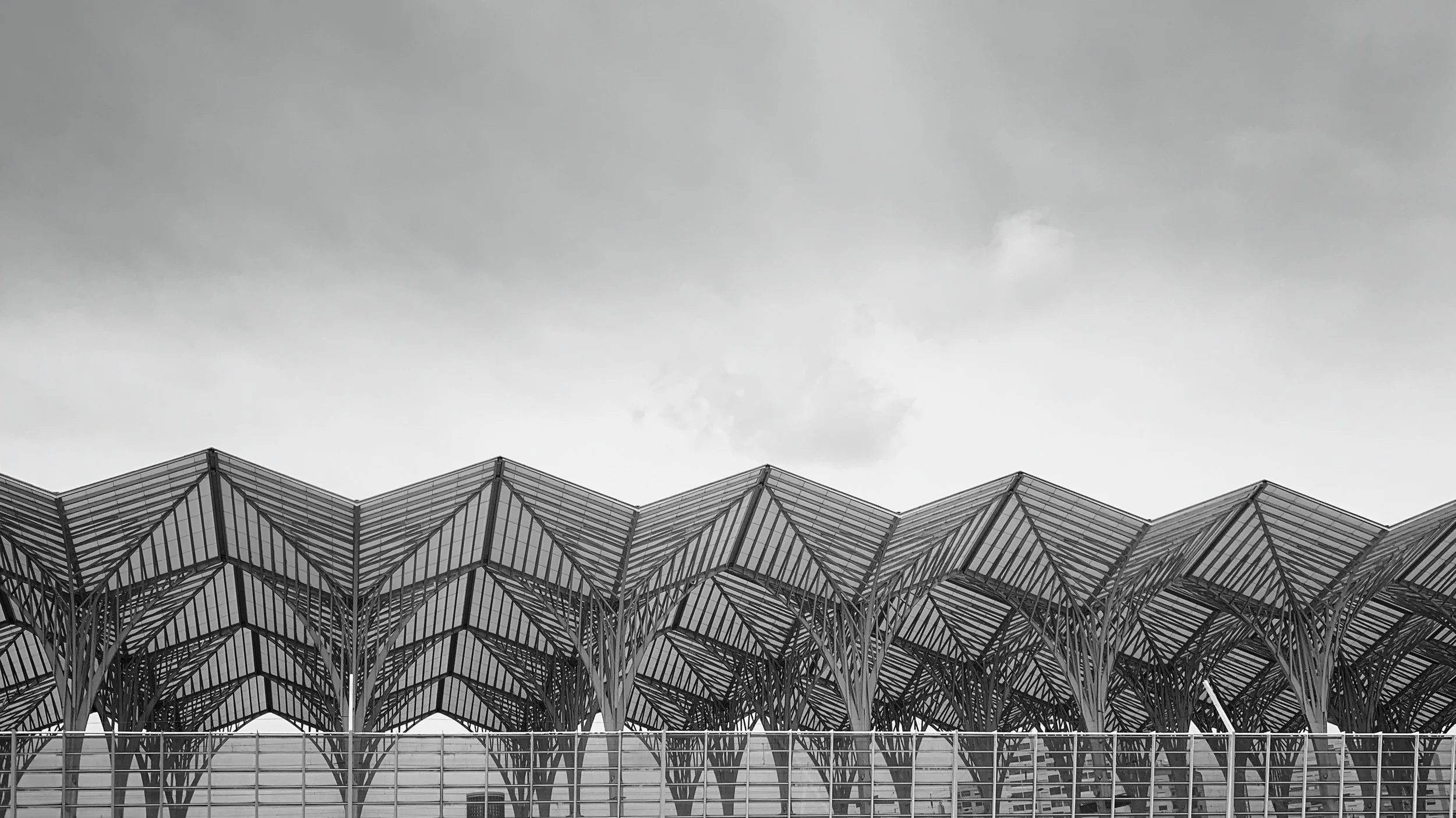


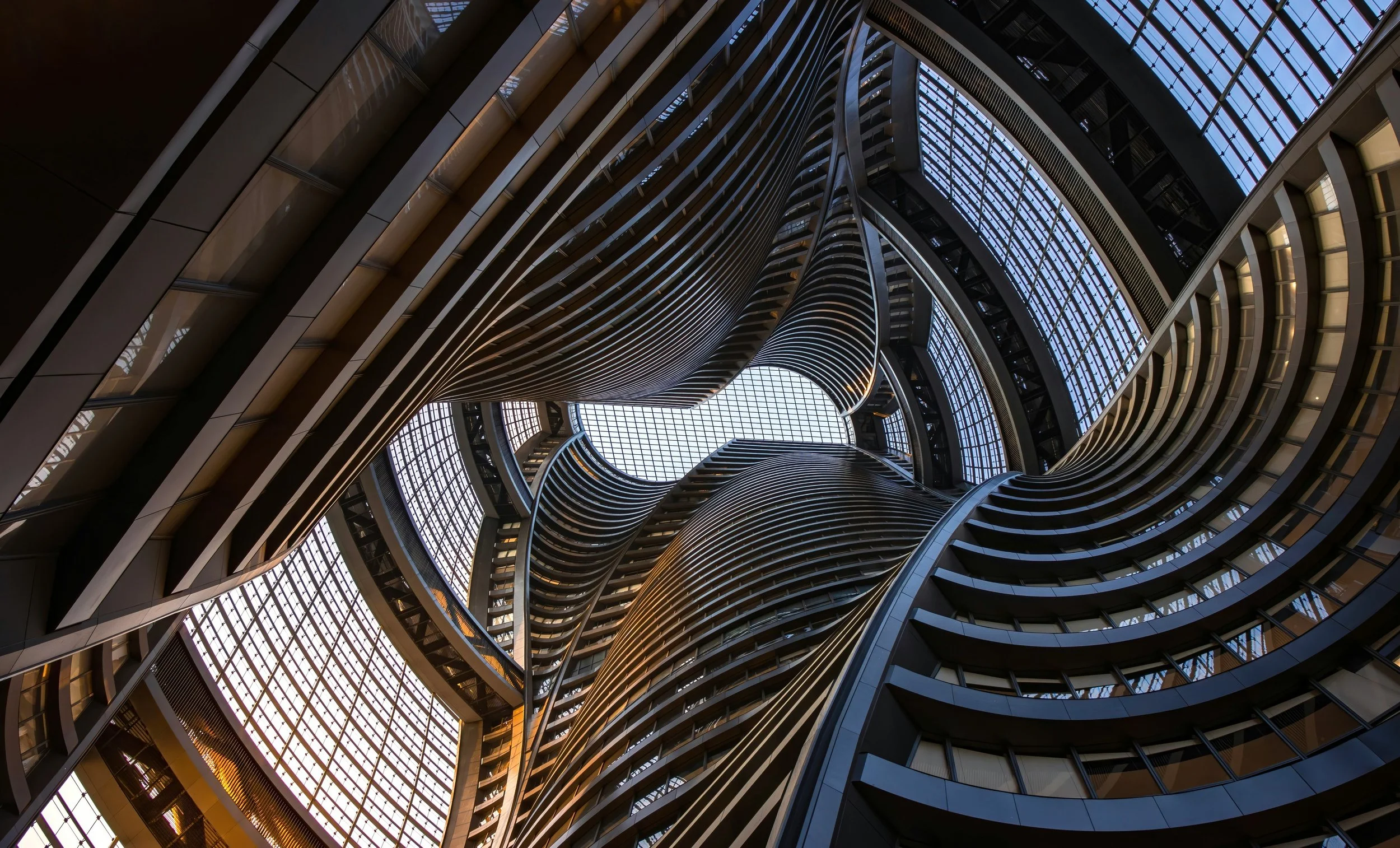
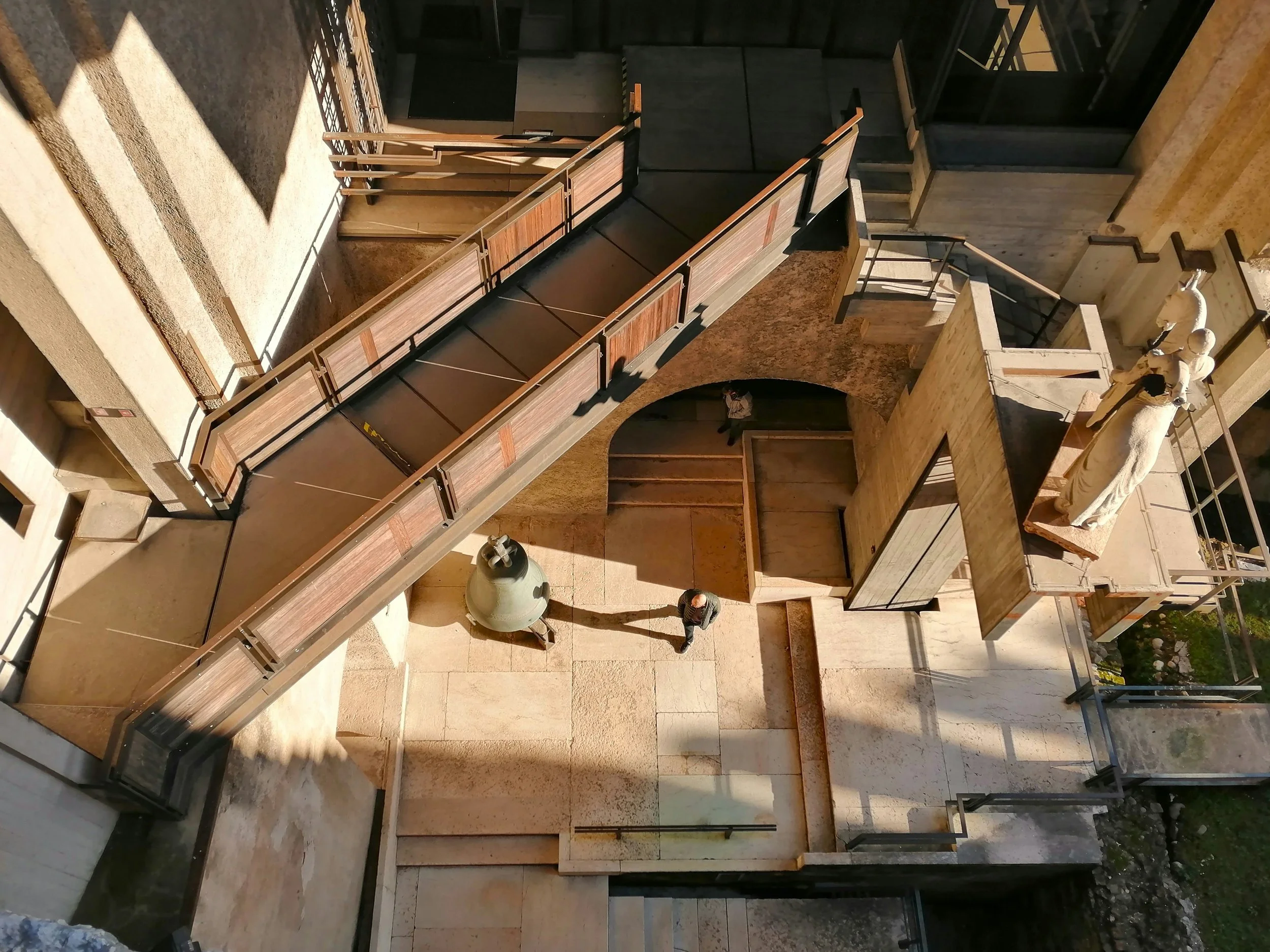
Santiago Calatrava, b. 1951
Structure as Living Form
Calatrava builds from the inside out. His structures borrow from bone and wing and spine — engineering that doesn't hide what it is, but makes its logic beautiful. Space as body. Load as gesture.
What that taught me: the systems underneath a space are part of its meaning. Transparency about how something holds together is a form of honesty with the people inside it.
- Engineering legibility as aesthetic choice
- Biology as structural model
- Light as structural material
- Movement encoded in form
Zaha Hadid, 1950–2016
Space as Body, Body as Space
Hadid dismantled the grid because the grid was never neutral. Her work insisted that space could be continuous, dynamic, responsive to how bodies actually move — not how planners imagined they should.
What that taught me: the orthogonal plan is a political document. Designing for the average body in the expected direction means designing against everyone else. Fluidity is an accessibility argument.
- Continuity over compartmentalization
- Movement as the primary spatial experience
- The grid as inherited assumption, not law
- Defiance of convention as inclusion
Carlo Scarpa, 1906–1978
The Ethics of the Detail
Scarpa treated every joint as a philosophical statement. The place where two materials meet is where a building tells the truth about itself. He slowed architecture down to the speed of the hand.
What that taught me: attention is a form of respect. Designing with care at the scale of millimeters argues that the person experiencing that space deserves that care. That argument scales up.
- Threshold as ceremony
- Material honesty at every scale
- Slow looking as design practice
- The detail is not decoration; it is argument


Synthesis
Calatrava's structural transparency, Hadid's fluid politics of the body, and Scarpa's devotion to the meaningful detail — together they describe what I am trying to do in research and design. Build spaces that treat every person's experience as worthy of that level of care and attention. The dissertation is, in a sense, an attempt to read a bookstore the way Scarpa would read a joint, with Hadid's question about who the space is actually for, and Calatrava's insistence that the systems underneath are part of the story.
Sketchbook
Process Work
Drawings, diagrams, and working sketches from across the three phases of research. Some of these are finished arguments. Some are still questions.
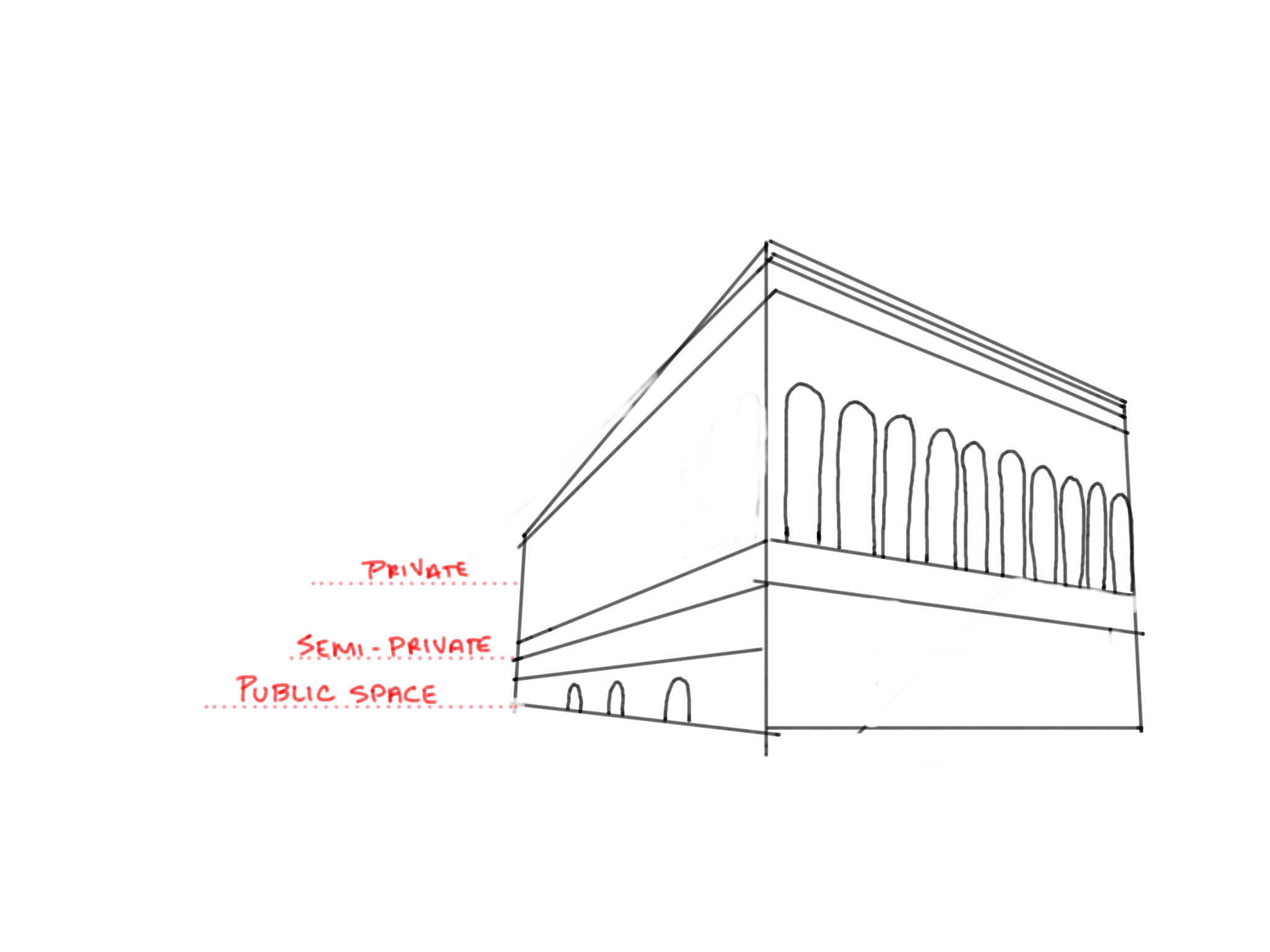
Early explorations in representing the felt quality of space — attempting to draw atmosphere rather than form.
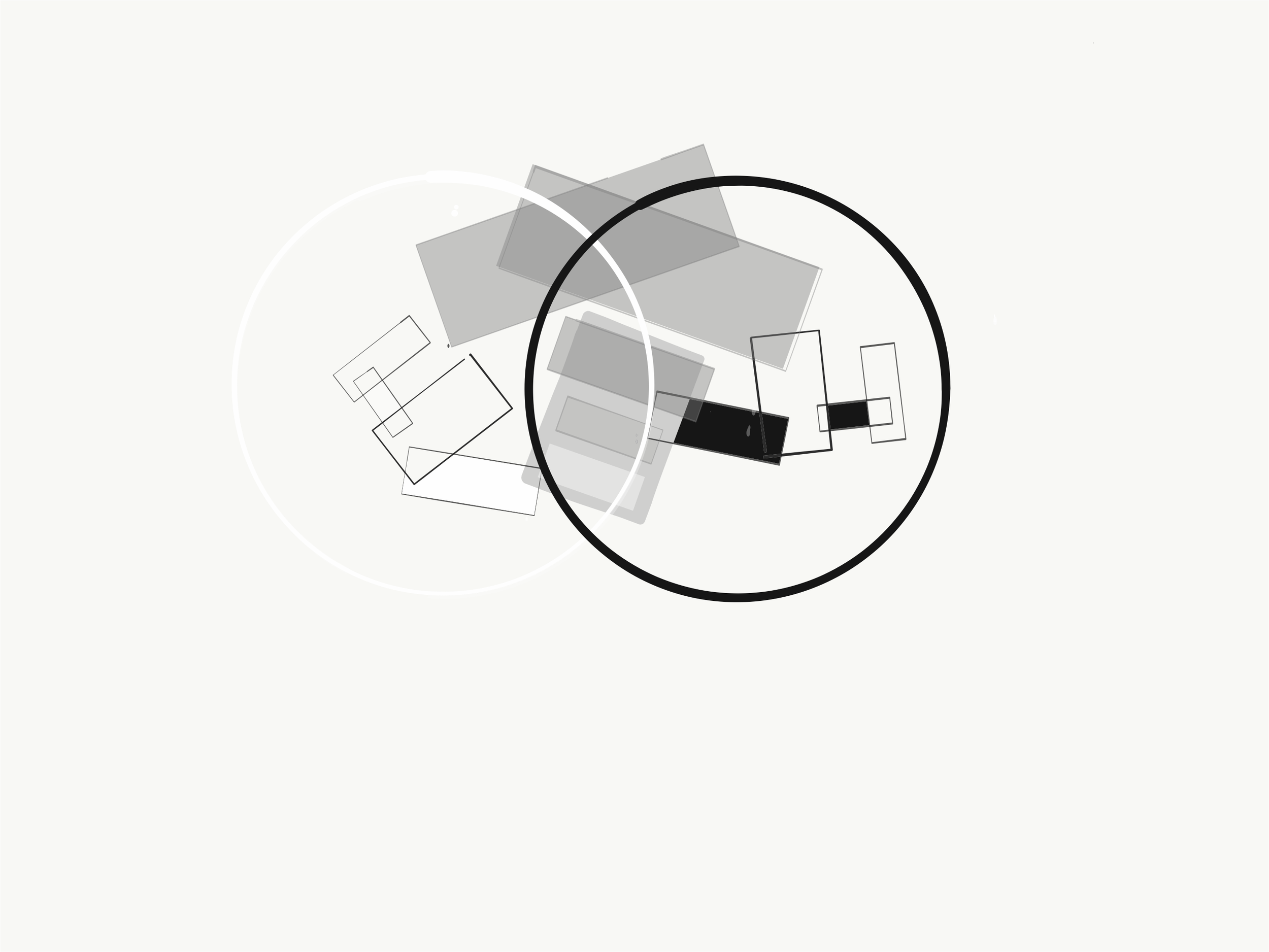
Mapping the conditions that produce belonging: scale, threshold, material, light, social density.
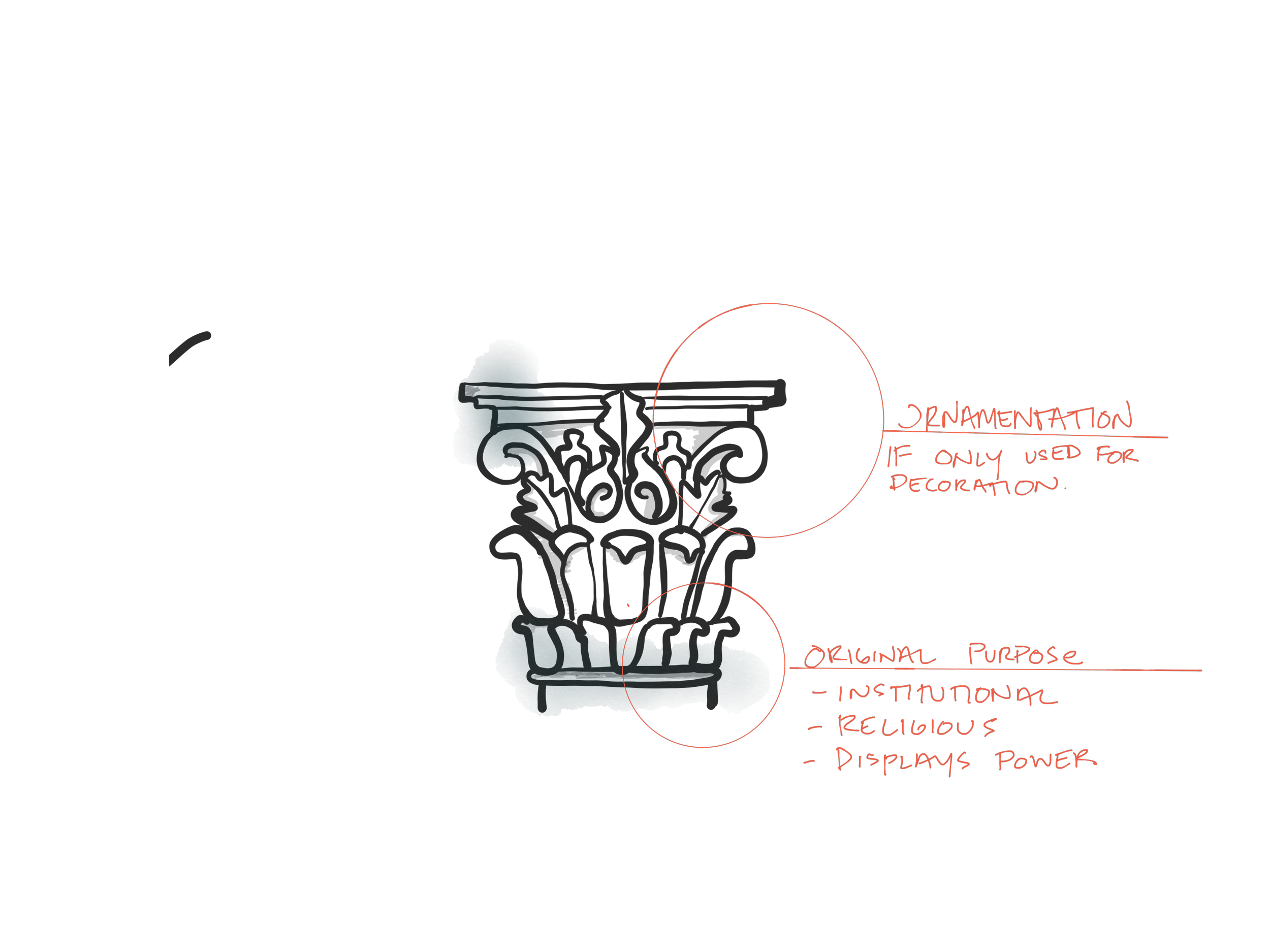
Design strategies for interrupting trauma response in health environments. Drawn from Ulrich and Kaplan.
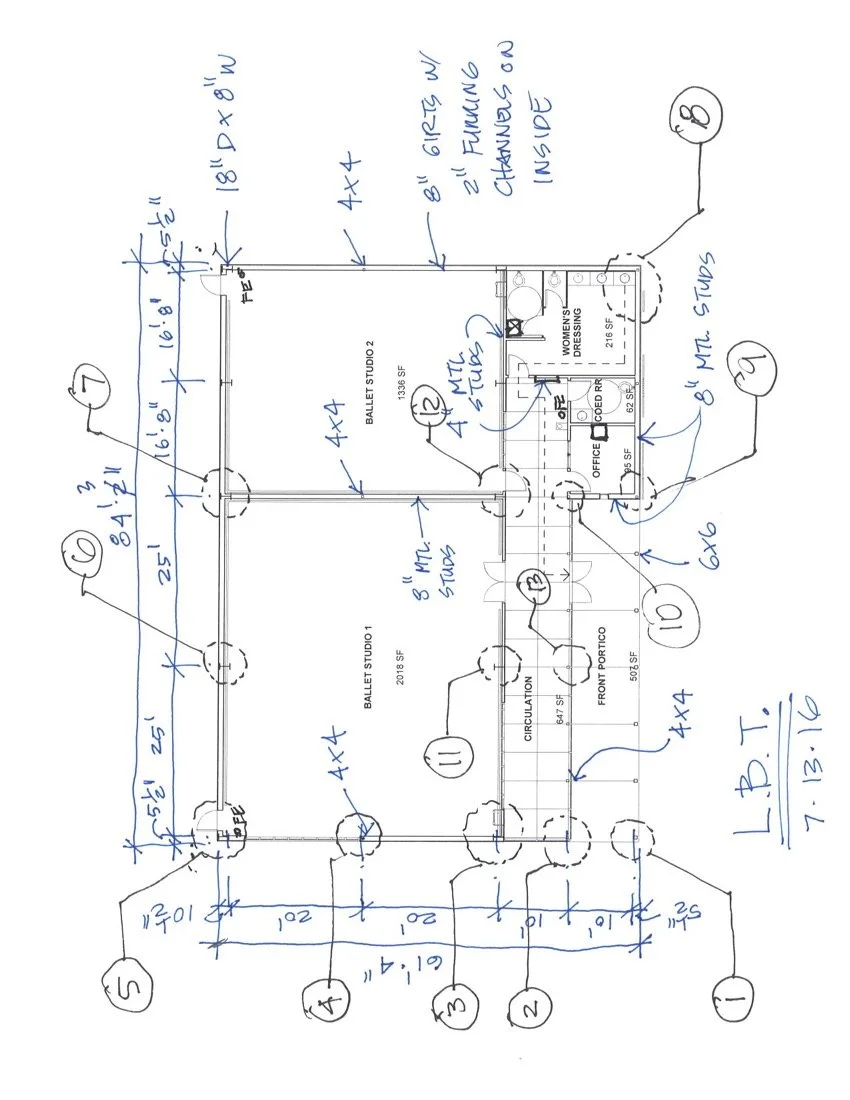
Spatial analysis of a historic transit hub as a site of community health and positive distraction.
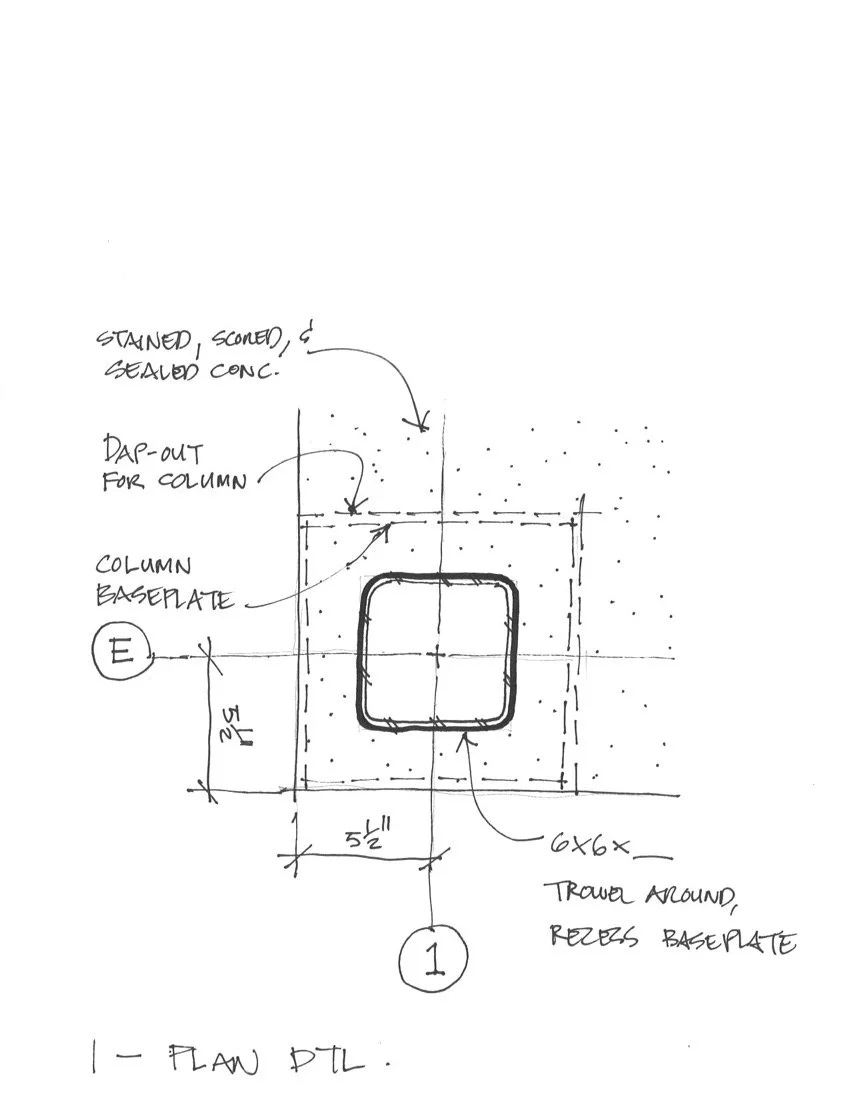
Early taxonomy of spatial conditions in queer bookstores — how furniture arrangement, sightlines, and signage produce safety or surveillance.
Conceptual framework from the 2025 Qualitative Works in Progress presentation. Bookstores as architectures of trans belonging.